What Does ERP Mean? Explaining Enterprise Resource Planning
Welcome! Have you ever heard the term ERP before? It stands for Enterprise Resource Planning, and it’s a crucial aspect of business management. But what exactly does ERP mean and how does it work? In this article, we’ll break it down for you in simple terms so you can understand the ins and outs of this important system. Let’s dive in and explore the world of ERP together!
Understanding ERP Basics
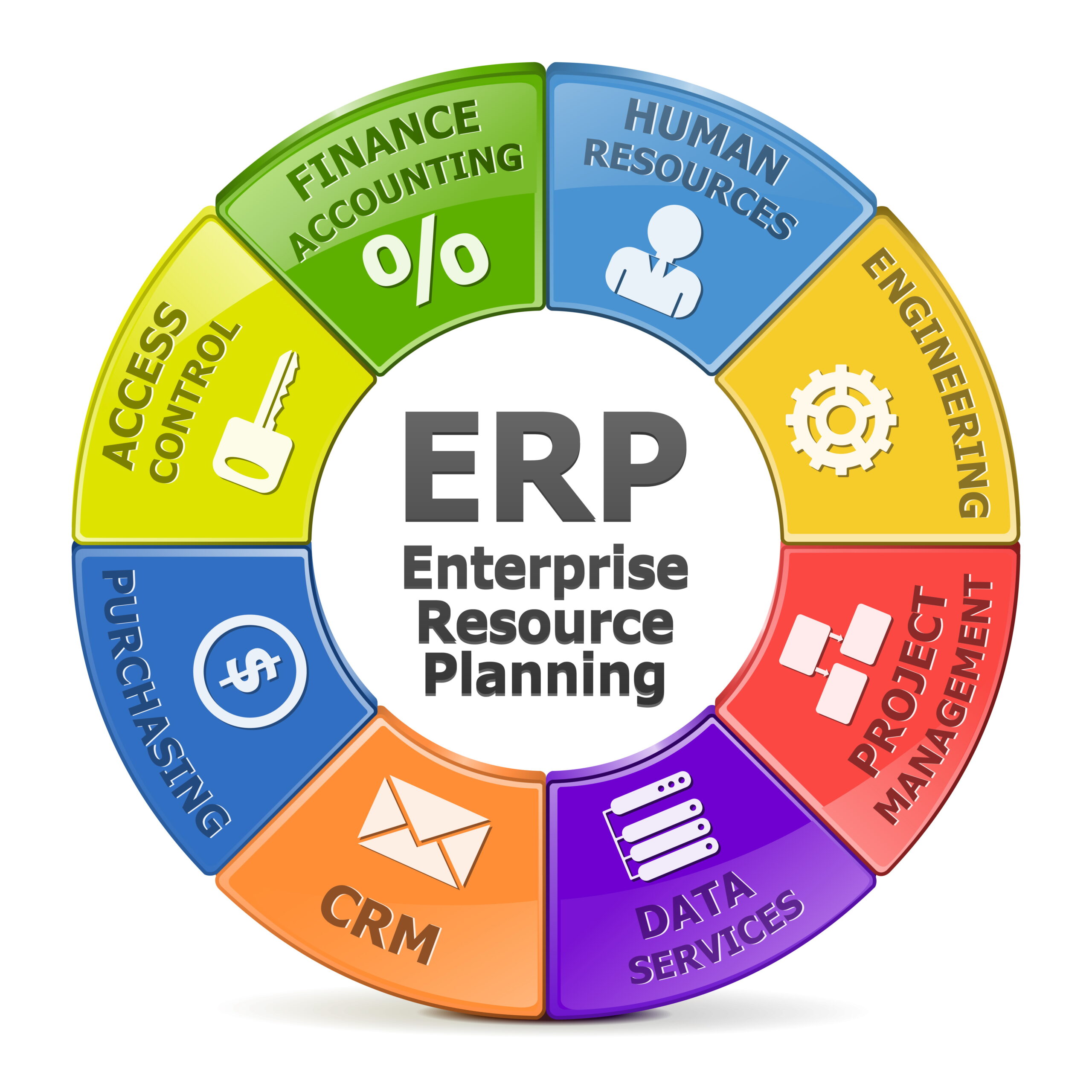
ERP stands for Enterprise Resource Planning, which is a type of software designed to help companies manage and integrate various aspects of their business operations. This includes everything from inventory management and human resources to financial accounting and customer relationship management. Essentially, ERP systems provide a central platform for organizations to streamline their processes, increase efficiency, and improve overall performance.
One of the key features of ERP is its ability to collect and organize data from different departments within an organization. This data is then shared across the entire company, allowing for better collaboration and decision-making. For example, if a customer places an order, the sales team can instantly see the inventory levels and production schedule to ensure timely delivery. This real-time access to information helps reduce delays, minimize errors, and increase customer satisfaction.
Another important aspect of ERP is its modular structure, which allows companies to customize the software to fit their specific needs. This means that businesses can choose which modules to implement based on their industry, size, and goals. For example, a manufacturing company may focus on production planning and quality control modules, while a retail company may prioritize inventory management and sales forecasting.
Furthermore, ERP systems are designed to be scalable, meaning they can grow with the organization. As companies expand and add new branches or departments, the ERP software can easily accommodate these changes without requiring a complete overhaul. This flexibility is essential for businesses looking to stay competitive and adapt to market trends.
In addition to improving internal processes, ERP can also provide valuable insights through analytics and reporting tools. By analyzing data collected from various departments, companies can identify trends, forecast future demand, and make data-driven decisions. This not only helps companies optimize their operations but also allows them to stay ahead of the competition.
Overall, ERP is a powerful tool for businesses looking to streamline their operations, improve efficiency, and drive growth. By providing a centralized platform for data management and integration, companies can better manage their resources, reduce costs, and increase profitability. With the right ERP system in place, organizations can stay agile, innovative, and competitive in today’s fast-paced business environment.
Evolution of ERP Systems
ERP systems have come a long way since their inception in the 1960s. Originally, ERP systems were designed to streamline processes within manufacturing companies by integrating various functions such as inventory management, production planning, and financial management. These early systems were often standalone applications that were limited in scope and functionality.
However, as technology advanced, ERP systems evolved to become more comprehensive and integrated. In the 1990s, with the advent of client-server architecture and the Internet, ERP systems began to offer real-time data access, improved scalability, and enhanced functionality. This allowed companies to make more informed decisions and operate more efficiently.
One of the biggest advancements in ERP systems was the shift towards cloud-based solutions in the early 2000s. Cloud ERP systems offered greater flexibility, lower upfront costs, and easier scalability compared to traditional on-premise systems. This allowed companies of all sizes to access the benefits of ERP without the need for large upfront investments in hardware and software.
Today, ERP systems have continued to evolve with the rise of technologies such as artificial intelligence, machine learning, and Internet of Things (IoT). These technologies have enabled ERP systems to become more intelligent, predictive, and automated. For example, AI-powered ERP systems can now analyze vast amounts of data to provide insights into trends, predict potential issues, and automate routine tasks.
Furthermore, modern ERP systems are becoming more user-friendly and accessible through the use of mobile applications and intuitive interfaces. This allows employees to access ERP data and functionalities from anywhere, at any time, using their smartphones or tablets. This increased mobility has transformed the way companies operate, enabling greater collaboration, flexibility, and productivity.
In conclusion, the evolution of ERP systems has been marked by continuous innovation and improvement. From their early days as standalone applications to today’s intelligent, cloud-based solutions, ERP systems have revolutionized the way companies manage their operations and make strategic decisions. As technology continues to advance, we can expect ERP systems to become even more sophisticated, user-friendly, and integral to the success of businesses in the future.
Benefits of Implementing ERP
Implementing an Enterprise Resource Planning (ERP) system brings numerous benefits to a business. ERP is a powerful tool that integrates all aspects of a company’s operations into one comprehensive system, providing real-time data, efficient communication, and streamlined processes. Below are some key benefits of implementing ERP:
1. Improved efficiency and productivity: ERP systems automate repetitive tasks and streamline business processes, allowing employees to focus on more important tasks. By centralizing data and processes, ERP reduces manual data entry and eliminates the need for duplicate data entry, leading to increased efficiency and productivity.
2. Enhanced data accuracy and visibility: One of the main advantages of ERP is its ability to provide real-time data across all departments of a company. This ensures that all employees have access to accurate and up-to-date information, leading to better decision-making. With ERP, businesses can track key performance indicators (KPIs), analyze trends, and make informed decisions based on data-driven insights.
3. Improved customer satisfaction and retention: Implementing an ERP system can have a significant impact on customer satisfaction and retention. With access to real-time data, businesses can respond to customer inquiries quickly, provide accurate information on product availability and delivery times, and customize their services to meet customer needs. This level of responsiveness and personalized service can result in increased customer satisfaction and loyalty.
4. Cost savings: While implementing an ERP system may require a significant upfront investment, the long-term cost savings can outweigh the initial expenses. By centralizing data and streamlining processes, ERP reduces the need for manual labor, minimizes errors, and eliminates the costs associated with inefficiencies. Additionally, by providing real-time data and insights, ERP helps businesses identify cost-saving opportunities, streamline operations, and optimize resources.
5. Regulatory compliance: Compliance with industry regulations and standards is essential for businesses to operate legally and avoid penalties. ERP systems offer features that help businesses comply with regulatory requirements by providing accurate and auditable records, tracking changes, and ensuring data security. By implementing an ERP system, businesses can streamline their compliance processes, reduce the risk of non-compliance, and maintain the trust of customers and stakeholders.
In conclusion, implementing an ERP system can bring a wide range of benefits to a business, including improved efficiency, enhanced data accuracy, increased customer satisfaction, cost savings, and regulatory compliance. By centralizing data and processes, providing real-time insights, and streamlining operations, ERP enables businesses to make better decisions, boost productivity, and stay competitive in today’s fast-paced business environment.
Common ERP Modules
Enterprise Resource Planning (ERP) systems are comprehensive software solutions that integrate and automate core business processes like finance, human resources, inventory management, and more. These systems are made up of various modules that cater to specific functions within an organization. Here are some of the most common ERP modules:
1. Finance: The finance module of an ERP system handles all financial aspects of a business, including accounts payable, accounts receivable, general ledger, budgeting, and financial reporting. This module helps organizations manage their finances more efficiently and effectively by providing real-time insights into financial data.
2. Human Resources: The human resources module of an ERP system is designed to streamline HR processes such as employee management, payroll, benefits administration, recruiting, and performance evaluation. This module helps organizations improve workforce productivity and compliance with labor laws by centralizing all HR-related data.
3. Supply Chain Management: The supply chain management module of an ERP system helps organizations optimize their supply chain processes by automating tasks related to procurement, inventory management, order processing, and logistics. This module enables organizations to reduce costs, improve customer satisfaction, and mitigate risks in their supply chain operations.
4. Customer Relationship Management: The customer relationship management (CRM) module of an ERP system is focused on managing interactions with customers and prospects to improve customer satisfaction and loyalty. This module typically includes features like sales automation, marketing automation, customer service management, and analytics to help organizations better understand and engage with their customers.
CRM modules can help organizations track customer interactions, monitor sales pipelines, and manage marketing campaigns more effectively. By integrating CRM with other ERP modules like finance and supply chain management, organizations can gain a comprehensive view of their customers and make data-driven decisions to drive business growth.
Overall, ERP systems play a crucial role in helping organizations streamline operations, improve efficiency, and make informed decisions. By leveraging the various modules available in an ERP system, businesses can achieve better integration and automation of their core processes, leading to increased productivity and profitability.
ERP Implementation Best Practices
Implementing an ERP system can be a complex and daunting task for any organization. However, following best practices can help ensure a successful implementation. Here are five key ERP implementation best practices:
1. Define clear goals and objectives: Before embarking on an ERP implementation project, it is crucial to clearly define the goals and objectives of the system. This includes understanding the specific business processes that need improvement, identifying key performance indicators, and outlining the desired outcomes of the implementation.
2. Get buy-in from key stakeholders: Successful ERP implementation requires buy-in from all levels of the organization, especially key stakeholders. This includes executives, department heads, and end-users who will be directly impacted by the new system. Engaging these stakeholders early on in the process and keeping them informed throughout the implementation can help mitigate resistance and ensure the project’s success.
3. Conduct thorough research and planning: Before selecting an ERP system, it is essential to conduct thorough research and planning to identify the best fit for your organization’s needs. This includes evaluating various vendors, conducting demos, and gathering feedback from different departments. Additionally, creating a detailed implementation plan with clear timelines, milestones, and responsibilities can help ensure a smooth and successful implementation.
4. Invest in training and change management: Implementing a new ERP system often requires a cultural shift within the organization. Investing in comprehensive training programs for end-users and providing ongoing support can help ease the transition and ensure that employees are proficient in using the new system. Additionally, having a solid change management strategy in place can help address any resistance and ensure a successful adoption of the new system.
5. Continuously evaluate and improve: Once the ERP system is implemented, it is essential to continuously evaluate its performance and identify areas for improvement. This includes monitoring key performance indicators, gathering feedback from end-users, and making necessary adjustments to optimize the system’s functionality. Additionally, keeping up with software updates and new technologies can help ensure that your ERP system remains current and continues to meet your organization’s evolving needs.
By following these ERP implementation best practices, organizations can increase their chances of a successful implementation and reap the full benefits of their ERP system.
Originally posted 2025-12-09 19:36:03.