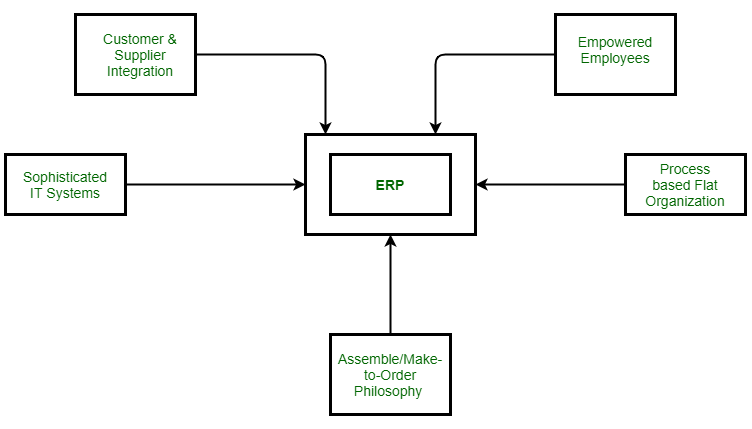
Welcome to our comprehensive guide on the ERP Model! Whether you’re new to the concept of Enterprise Resource Planning or looking to expand your knowledge, this article will provide you with all the information you need to understand and utilize ERP effectively in your business. From the basics of what ERP is to its key components and benefits, we will cover it all in an easy-to-understand and engaging manner.
Understanding ERP Models
Enterprise Resource Planning (ERP) systems are used by organizations to streamline their business processes and enhance efficiency. In order to fully understand ERP models, it is important to grasp the basic concept of what an ERP system is and how it functions within an organization. An ERP model is essentially a framework that defines how data and processes are organized within an ERP system. It includes various components such as modules, databases, workflows, and interfaces that work together to support different functions within the organization.
ERP models are typically categorized based on the type of deployment, functionality, and architecture they offer. The most common types of ERP models include on-premise, cloud-based, open-source, and hybrid systems. On-premise ERP models involve hosting the system on the organization’s own servers, providing full control over data and security. Cloud-based ERP models, on the other hand, are hosted on a remote server and accessed through the internet, offering scalability and flexibility to businesses.
Functionality is another key aspect of ERP models, with different systems offering various features to support different business processes. Modules such as finance, human resources, supply chain management, and customer relationship management are commonly included in ERP models to help organizations manage their operations more efficiently. Additionally, ERP models can be customized to meet the specific needs of an organization, allowing them to adapt the system to their unique business requirements.
Architecture plays a crucial role in determining how an ERP model operates within an organization. The architecture of an ERP system defines how the various components interact with each other and how data is processed and stored. Some ERP models are monolithic, integrating all modules into a single system, while others are modular, allowing organizations to add or remove modules as needed. The choice of architecture depends on the size and complexity of the organization, as well as its specific business needs.
Overall, understanding ERP models requires a deep dive into the various components that make up an ERP system, including deployment, functionality, and architecture. By understanding how these elements work together, organizations can choose the right ERP model that best fits their business requirements and helps them achieve their goals. Whether it’s streamlining operations, improving efficiency, or enhancing customer satisfaction, ERP models play a crucial role in shaping the success of modern businesses.
Types of ERP Models
ERP models are categorized into various types based on their functionality and structure. These models are designed to meet the specific needs of different types of businesses. Here are some of the most common types of ERP models:
1. On-Premises ERP: This type of ERP model involves installing the software on the company’s physical servers and maintaining it in-house. On-premises ERP is known for offering a high level of control and customization to the users. It requires a significant upfront investment in hardware and software licenses and involves ongoing maintenance costs. This model is ideal for large enterprises that need complete control over their ERP system.
2. Cloud-based ERP: Cloud-based ERP, also known as Software as a Service (SaaS) ERP, is a model where the ERP software is hosted on the vendor’s servers and accessed by users over the internet. This model eliminates the need for on-premises hardware and software installations, reducing upfront costs and simplifying maintenance. Cloud-based ERP offers scalability, flexibility, and accessibility, making it ideal for small to medium-sized businesses that want a cost-effective and easily accessible ERP solution.
With cloud-based ERP, users can access the system from anywhere with an internet connection, allowing for remote work and collaboration. Updates and maintenance are handled by the vendor, ensuring that the system is always up to date with the latest features and security patches. Additionally, cloud-based ERP typically offers a subscription-based pricing model, allowing businesses to pay only for the resources they use, making it a cost-effective option for companies with budget constraints.
One potential concern with cloud-based ERP is data security. Since the data is stored on the vendor’s servers, businesses need to ensure that the vendor has robust security measures in place to protect their sensitive information. It is essential for businesses to carefully review the vendor’s security practices and compliance certifications before choosing a cloud-based ERP solution.
Overall, cloud-based ERP offers a modern and flexible solution for businesses looking to streamline their operations and improve efficiency. By leveraging the scalability and accessibility of the cloud, businesses can benefit from increased agility and collaboration, ultimately leading to improved business outcomes.
3. Hybrid ERP: Hybrid ERP combines elements of both on-premises and cloud-based ERP models. In this model, certain functions or data are hosted on the company’s servers, while others are hosted in the cloud. Hybrid ERP allows businesses to take advantage of the benefits of both models, such as control and customization from on-premises ERP and scalability and accessibility from cloud-based ERP. This model is ideal for businesses with specific requirements that cannot be met by one type of ERP model alone.
Key Components of ERP Models
ERP models are comprehensive systems that integrate various business processes and functions into a single platform. These models consist of several key components that work together to streamline operations, increase efficiency, and improve decision-making. The main components of an ERP model include:
1. Core Modules: The core modules of an ERP system are the basic components that cover essential business functions such as finance, human resources, sales, and procurement. These modules are the foundation of an ERP model and provide the basic framework for integrating different processes within an organization.
2. Database Management: Database management is a crucial component of ERP models, as it involves storing and organizing all the data generated by various business processes. A well-designed database management system ensures that data is consistent, accurate, and readily accessible to users across the organization. This component plays a vital role in enabling real-time reporting, analytics, and decision-making.
3. Customization and Scalability: One of the key features of ERP models is the ability to customize and scale the system according to the unique requirements of an organization. Customization allows businesses to tailor the ERP system to meet specific needs and industry standards. It involves configuring the system to accommodate different processes, workflows, and reporting requirements. Scalability, on the other hand, refers to the ability of the system to grow and adapt as the organization expands or changes. A scalable ERP model can accommodate increased data volumes, users, and functionalities without compromising performance or stability.
Customization and scalability are essential components of an ERP model, as they ensure that the system can evolve with the organization and support its growth and changing needs. By customizing the system to meet specific requirements and scaling it as needed, businesses can maximize the value of their ERP investment and drive continuous improvement in their operations.
Importance of Choosing the Right ERP Model
Choosing the right ERP model for your business is crucial for the success and efficiency of your operations. ERP systems are designed to streamline processes, improve data accuracy, and increase overall productivity. However, not all ERP models are created equal, and choosing the wrong one can lead to costly mistakes and setbacks. There are several reasons why it is important to carefully evaluate and select the ERP model that best fits your organization’s needs.
First and foremost, selecting the right ERP model can help increase operational efficiency. Different ERP models offer varying levels of functionality and customization options. By choosing a model that aligns with your business needs and goals, you can ensure that your ERP system will effectively support your workflows and processes. This can lead to smoother operations, reduced manual tasks, and improved overall productivity.
Additionally, the right ERP model can help improve data accuracy and integrity. One of the main benefits of ERP systems is their ability to centralize data and provide real-time insights. However, if the chosen ERP model does not accurately capture or integrate data, it can lead to errors and misinterpretations. By selecting a model that effectively manages data and ensures its accuracy, you can make more informed decisions and drive better business outcomes.
Moreover, choosing the right ERP model can help future-proof your business. As technology continues to evolve, so do ERP systems. By selecting a scalable and flexible ERP model, you can adapt to changing business requirements and industry trends. This can help your organization stay competitive, innovate, and grow over time. Additionally, the right ERP model can provide integration capabilities with other systems and applications, allowing for seamless communication and data sharing across your organization.
Lastly, selecting the right ERP model can lead to cost savings and a higher return on investment. Implementing an ERP system is a significant investment for any organization, and choosing the wrong model can lead to additional costs for customization, training, and maintenance. By carefully evaluating your options and selecting a model that fits your needs, you can reduce implementation costs and maximize the benefits of your ERP system. This can help drive efficiencies, increase revenue, and ultimately improve your bottom line.
In conclusion, the importance of choosing the right ERP model cannot be understated. By selecting a model that aligns with your business goals, supports your workflows, and ensures data accuracy, you can drive operational efficiency, improve decision-making, future-proof your business, and maximize your return on investment. Take the time to evaluate your options, consult with experts, and choose an ERP model that will set your organization up for success.
Implementation Considerations for ERP Models
When implementing an ERP model, there are several important considerations that organizations need to keep in mind to ensure the success of the project. These considerations range from selecting the right ERP system to training employees on how to use the new system effectively. Here are some key implementation considerations for ERP models:
1. Selection of ERP System: One of the most crucial decisions that organizations need to make when implementing an ERP model is selecting the right ERP system. It is important to choose a system that aligns with the organization’s goals and business processes. Organizations should also consider factors such as scalability, customization options, and vendor support when selecting an ERP system.
2. Planning and Designing: Proper planning and designing are essential for the successful implementation of an ERP model. Organizations need to determine their business requirements and create a detailed implementation plan. This plan should include timelines, resources, and milestones to ensure that the implementation process runs smoothly.
3. Data Migration: Data migration is another important consideration during the implementation of an ERP model. Organizations need to transfer data from their old systems to the new ERP system accurately and securely. It is crucial to clean and validate data before migrating it to the new system to avoid any issues or errors.
4. Training and Change Management: Training employees on how to use the new ERP system is crucial for a successful implementation. Organizations should provide comprehensive training programs to help employees understand the new system and its functionalities. Additionally, implementing effective change management strategies can help employees adapt to the new system and minimize resistance to change.
5. Testing and Quality Assurance: Before fully implementing an ERP model, organizations need to conduct thorough testing and quality assurance processes. This includes testing the system for bugs, errors, and performance issues. Organizations should involve end-users in the testing process to ensure that the system meets their requirements and functions correctly. Quality assurance processes are crucial for identifying and resolving any issues before the system goes live.
Overall, organizations need to carefully consider these implementation considerations when implementing an ERP model. By selecting the right ERP system, planning and designing the implementation process, ensuring accurate data migration, providing training to employees, and conducting thorough testing and quality assurance, organizations can successfully implement an ERP model and reap the benefits of improved efficiency and productivity.
Originally posted 2025-12-06 15:38:56.