The Evolution of Supply Chain Management with ERP Systems
Welcome, dear reader! Have you ever wondered how supply chain management has evolved over the years with the help of ERP systems? From manual processes to sophisticated technologies, the journey of supply chain management has been nothing short of revolutionary. In this article, we will explore how ERP systems have transformed the way businesses manage their supply chain operations, leading to increased efficiency, transparency, and overall success.
ERP System Integration in Supply Chain Management
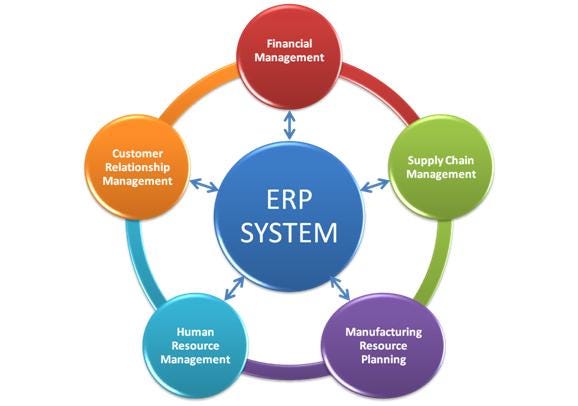
ERP system integration in supply chain management is a crucial component that helps streamline operations, enhance efficiency, and improve overall productivity within an organization. The integration of ERP systems within the supply chain management process allows for real-time visibility and control over various aspects of the supply chain, including inventory management, demand forecasting, order processing, and logistics.
One of the key benefits of integrating an ERP system into supply chain management is the ability to automate processes, thereby reducing manual errors and streamlining operations. With an integrated ERP system, organizations can track inventory levels in real-time, manage orders more efficiently, and optimize the use of resources throughout the supply chain.
Furthermore, ERP system integration in supply chain management enables organizations to improve communication and collaboration both internally and externally. By integrating ERP systems with other systems such as warehouse management systems (WMS) and customer relationship management (CRM) systems, organizations can seamlessly share data and information across departments, suppliers, and customers, leading to better decision-making and increased productivity.
Additionally, ERP system integration in supply chain management provides organizations with the ability to analyze and optimize their supply chain processes. By centralizing data from various sources into a single, integrated platform, organizations can gain valuable insights into their supply chain operations, identify areas for improvement, and make informed decisions to drive continuous improvement.
Another advantage of ERP system integration in supply chain management is the ability to adapt to changing market conditions and customer demands. By having real-time visibility into supply chain operations, organizations can quickly respond to changes in demand, adjust production schedules, and manage inventory levels effectively to meet customer expectations and maximize profitability.
In conclusion, ERP system integration in supply chain management plays a critical role in improving efficiency, reducing costs, and enhancing overall productivity within organizations. By integrating ERP systems into supply chain management processes, organizations can streamline operations, improve communication and collaboration, analyze and optimize processes, and adapt to changing market conditions to stay competitive in today’s dynamic business environment.
Benefits of Utilizing ERP in Supply Chain Operations
Implementing an ERP system in supply chain operations can bring about a myriad of benefits for businesses. One key advantage is improved efficiency in data management. With an ERP system, organizations can streamline their processes and have real-time access to accurate data. This eliminates the need for manual data entry and reduces the chances of errors, leading to increased productivity and cost savings.
Another benefit of using ERP in supply chain operations is enhanced visibility and transparency. The system provides a central repository for all supply chain-related information, allowing stakeholders to track inventory levels, monitor shipments, and analyze performance metrics. This level of visibility enables better decision-making and helps businesses respond quickly to any disruptions or changes in the supply chain.
ERP systems also facilitate better collaboration among different departments within an organization. By integrating various functions like sales, inventory, and logistics into a single platform, employees can work together more seamlessly and share information in real-time. This leads to improved communication, reduced lead times, and ultimately, a more agile supply chain.
Furthermore, ERP systems can help businesses optimize their inventory management processes. By providing accurate demand forecasting tools and inventory tracking capabilities, organizations can reduce stockouts, minimize excess inventory, and improve order fulfillment rates. This can result in lower carrying costs, better customer satisfaction, and increased profitability.
Another significant advantage of utilizing ERP in supply chain operations is the ability to automate repetitive tasks and workflows. By setting up predefined rules and workflows within the system, businesses can eliminate manual intervention in routine processes such as order processing, invoicing, and reporting. This not only saves time and reduces the likelihood of errors but also allows employees to focus on more strategic tasks that add value to the business.
In conclusion, the benefits of implementing an ERP system in supply chain operations are undeniable. From improved efficiency and visibility to better collaboration and inventory management, businesses stand to gain a competitive advantage by leveraging ERP technology. By embracing digital transformation and investing in the right ERP solution, organizations can optimize their supply chain operations, drive growth, and stay ahead of the competition in today’s fast-paced business environment.
Key Features of ERP for Supply Chain Optimization
When it comes to optimizing the supply chain, ERP systems play a crucial role in streamlining operations and improving efficiency. These systems offer a wide range of features that can help businesses manage their supply chains more effectively. Below are some key features of ERP systems that contribute to supply chain optimization:
1. Inventory Management: One of the most important aspects of supply chain management is keeping track of inventory levels and ensuring that there is enough stock to meet demand. ERP systems provide real-time visibility into inventory levels, allowing businesses to make more informed decisions about ordering and stocking inventory. By automating the process of tracking inventory, ERP systems help reduce the risk of stockouts and overstocking, leading to cost savings and improved customer satisfaction.
2. Demand Forecasting: Accurately predicting demand is essential for effective supply chain management. ERP systems often include demand forecasting tools that analyze historical data and market trends to predict future demand. By having a better understanding of demand patterns, businesses can adjust their production and inventory levels accordingly, minimizing stockouts and reducing excess inventory. This ultimately leads to a more efficient supply chain and improved customer service.
3. Supplier Relationship Management: Another key feature of ERP systems for supply chain optimization is supplier relationship management. By centralizing supplier information and communication within the ERP system, businesses can better manage their relationships with suppliers. ERP systems can track supplier performance, monitor contract terms, and streamline the procurement process. This helps businesses build stronger relationships with their suppliers, negotiate better terms, and ensure a stable and reliable supply chain.
4. Order Management: Efficient order management is crucial for a well-functioning supply chain. ERP systems offer features for order processing, tracking, and fulfillment, allowing businesses to manage orders more effectively. By automating the order management process, businesses can reduce errors, improve order accuracy, and speed up order processing times. This leads to faster fulfillment, increased customer satisfaction, and ultimately, a more optimized supply chain.
5. Warehouse Management: Effective warehouse management is essential for smooth supply chain operations. ERP systems provide tools for optimizing warehouse layout, managing inventory storage, and tracking goods movements. By implementing barcode scanning and real-time data updates, businesses can improve inventory accuracy, reduce picking errors, and increase warehouse efficiency. This ultimately translates to cost savings, faster order fulfillment, and a more streamlined supply chain.
Overall, ERP systems offer a range of features that are essential for supply chain optimization. From inventory management and demand forecasting to supplier relationship management and warehouse management, ERP systems provide businesses with the tools they need to streamline operations, reduce costs, and improve customer satisfaction. By leveraging these key features, businesses can achieve a more efficient and responsive supply chain that is better equipped to meet the demands of today’s fast-paced market.
Challenges of Implementing ERP in Supply Chain Management
Implementing an ERP system in supply chain management comes with its fair share of challenges that businesses need to overcome. These challenges can range from technical issues to organizational resistance. Let’s delve into some of the common challenges faced when implementing an ERP system in supply chain management:
1. Integration Difficulties:
One of the main challenges in implementing ERP in supply chain management is integrating the system with existing software and platforms. Many businesses use multiple software systems to manage different aspects of their supply chain, and getting these systems to communicate effectively with the new ERP system can be a daunting task. This integration process requires careful planning, testing, and coordination to ensure a smooth transition without disrupting operations.
2. Data Quality and Accuracy:
Another challenge businesses face when implementing ERP in supply chain management is ensuring the quality and accuracy of data. ERP systems rely heavily on accurate and up-to-date data to make informed decisions, streamline processes, and optimize supply chain operations. Poor data quality can lead to incorrect forecasting, inventory discrepancies, and inefficiencies in the supply chain, ultimately impacting customer satisfaction and profitability.
3. Change Management:
Implementing an ERP system in supply chain management often requires significant changes in processes, roles, and responsibilities within an organization. This can be met with resistance from employees who are comfortable with existing workflows and may be hesitant to adopt new technology. To overcome this challenge, businesses need to invest in change management strategies, such as training programs, communication plans, and employee engagement initiatives, to ensure a successful ERP implementation.
4. Cost and Resources:
One of the biggest challenges in implementing ERP in supply chain management is managing the costs and resources associated with the project. ERP implementations can be costly and time-consuming, requiring significant investments in software, hardware, training, and consulting services. Additionally, ERP projects often require dedicated teams of IT professionals, project managers, and subject matter experts to oversee the implementation process. This can strain an organization’s budget and resources, making it essential to carefully plan and budget for the project to avoid cost overruns and delays.
5. Customization and Flexibility:
ERP systems are often highly customizable to meet the unique needs of different businesses and industries. However, excessive customization can lead to complexity, maintenance issues, and difficulties in upgrading the system in the future. Balancing the need for customization with the desire for a flexible and scalable ERP system can be a challenge for businesses, as they need to find the right balance that aligns with their long-term strategic goals and objectives.
In conclusion, implementing an ERP system in supply chain management can present various challenges for businesses. However, by addressing these challenges proactively, investing in the right resources, and leveraging best practices, businesses can successfully implement ERP systems to streamline supply chain operations, improve efficiency, and drive business growth and profitability.
Successful Case Studies of ERP System in Supply Chain Management
Implementing an ERP system in supply chain management can greatly improve operational efficiency and streamline processes for businesses. Here are some successful case studies of companies that have successfully implemented ERP systems in their supply chain management:
1. Coca-Cola: One of the world’s leading beverage companies, Coca-Cola implemented an ERP system to manage its supply chain operations. By integrating all aspects of its supply chain, from procurement to distribution, Coca-Cola was able to reduce costs, improve inventory management, and enhance visibility into its supply chain processes.
2. Walmart: The retail giant Walmart is known for its efficient supply chain management practices. By implementing an ERP system, Walmart was able to optimize its inventory levels, reduce out-of-stock situations, and improve order fulfillment. This resulted in significant cost savings and improved customer satisfaction.
3. Apple: Apple is another company that has successfully leveraged ERP systems in its supply chain management. By integrating its manufacturing, distribution, and retail operations, Apple was able to improve transparency, collaboration, and efficiency across its supply chain. This allowed Apple to launch new products faster and meet customer demand more effectively.
4. Amazon: As one of the largest e-commerce companies in the world, Amazon relies heavily on its supply chain management processes. By implementing an ERP system, Amazon was able to optimize its inventory management, warehouse operations, and order fulfillment processes. This resulted in faster delivery times, lower costs, and improved customer satisfaction.
5. Procter & Gamble: Procter & Gamble, a multinational consumer goods company, implemented an ERP system to enhance its supply chain management practices. By integrating its manufacturing, distribution, and procurement processes, Procter & Gamble was able to improve collaboration with suppliers, reduce lead times, and increase product availability. This allowed the company to respond quickly to changing market demands and improve overall efficiency in its supply chain.
Originally posted 2025-12-08 12:14:17.