Software Solutions for Effective ERP Implementation
Welcome, dear reader! Are you looking to streamline your business processes with an ERP system, but struggling with effective implementation? Look no further! In this article, we will explore software solutions that can help make your ERP implementation a breeze. From data migration to customization, these tools will ensure a smooth and successful integration of your ERP system. Let’s dive in and discover how you can maximize the benefits of ERP with the right software solutions.
Choosing the right ERP software for your business
Choosing the right ERP software for your business is crucial to ensure that your operations run smoothly and efficiently. With so many options available in the market, it can be overwhelming to make a decision. Here are some factors to consider when selecting an ERP software for your business:
1. Define your business needs: Before you start looking at different ERP software options, it’s important to clearly define your business needs and objectives. Consider what processes you want to streamline, what data you need to manage, and what features are essential for your business. This will help you narrow down your options and choose a software that aligns with your specific requirements.
2. Assess scalability: As your business grows, your ERP software should be able to grow with you. It’s important to choose a software that is scalable and can accommodate your future needs. Look for a solution that is flexible and can easily adapt to changes in your business environment.
3. Consider integration capabilities: Your ERP software should be able to seamlessly integrate with other software applications that you use in your business. This will help you avoid data silos and ensure smooth communication between different systems. Look for a software that offers easy integration options with third-party applications.
4. Evaluate user-friendliness: An ERP software is only as good as its usability. Make sure you choose a software that is user-friendly and easy to navigate. Your employees should be able to quickly learn how to use the software and carry out their tasks efficiently. Look for a software that offers a clean interface, intuitive design, and comprehensive training and support resources.
5. Consider cloud vs. on-premise: Another factor to consider is whether you want a cloud-based ERP software or an on-premise solution. Cloud-based software offers greater flexibility and accessibility, while on-premise solutions provide more control and security. Consider your business preferences and infrastructure before making a decision.
6. Look at costs: Cost is always a key consideration when choosing an ERP software. While it’s important to stay within your budget, it’s also crucial to consider the long-term costs of the software. Look for a solution that offers a good return on investment and consider factors such as licensing fees, implementation costs, and ongoing maintenance expenses.
By taking these factors into consideration, you can choose the right ERP software for your business that will help you streamline your operations and drive growth. Remember to involve key stakeholders in the decision-making process and thoroughly evaluate different options before making a final decision.
Benefits of implementing ERP software
Implementing ERP software can bring a wide range of benefits to businesses of all sizes. One of the key advantages of ERP software is the ability to streamline business processes. By integrating various departments and functions within an organization, ERP software can help eliminate duplicate data entry, reduce manual errors, and improve overall efficiency. This can lead to cost savings and increased productivity, as employees can focus on more strategic tasks rather than mundane administrative duties.
Another benefit of implementing ERP software is improved visibility and control over business operations. With real-time access to data and analytics, decision-makers can make more informed choices and respond quickly to changes in the market. This can help businesses stay agile and competitive in today’s fast-paced business environment.
ERP software can also help enhance customer satisfaction. By centralizing customer data and providing a 360-degree view of interactions, businesses can better meet customer needs and deliver personalized experiences. This can lead to stronger customer relationships, increased loyalty, and ultimately, higher profitability.
Additionally, ERP software can support better financial management. By integrating financial data with other business functions, businesses can gain a more accurate view of their financial health and make smarter financial decisions. This can help reduce financial risks, improve cash flow, and support long-term growth and sustainability.
Furthermore, ERP software can facilitate compliance with regulatory requirements. With built-in features for data security, audit trails, and reporting, ERP software can help businesses meet legal and industry standards. This can reduce the risk of non-compliance penalties and reputational damage, ensuring the business operates ethically and responsibly.
In summary, implementing ERP software can bring numerous benefits to businesses, including streamlining processes, improving visibility and control, enhancing customer satisfaction, supporting better financial management, and facilitating compliance. By investing in ERP software, businesses can gain a competitive edge, drive growth, and achieve long-term success.
Customizing ERP software to fit your organization’s needs
When implementing an ERP software system for your organization, it’s important to customize the software to fit your specific needs. Every company operates differently, with unique processes, workflows, and requirements. Off-the-shelf ERP solutions may not always align perfectly with your organization’s goals and operations. That’s where customization comes in.
Customizing ERP software involves tailoring the system to meet the unique needs of your organization. This can include modifying existing features, adding new functionalities, or integrating third-party applications to enhance the overall capabilities of the ERP system. By customizing your ERP software, you can optimize efficiency, streamline processes, and improve productivity within your organization.
One of the key areas where customization plays a crucial role is in adapting the user interface of the ERP software to align with your organization’s existing processes and workflows. This can involve configuring the layout of screens, fields, and menus to match the terminology and processes familiar to your employees. By customizing the user interface, you can make it easier for users to navigate the system, reducing training time and improving user adoption.
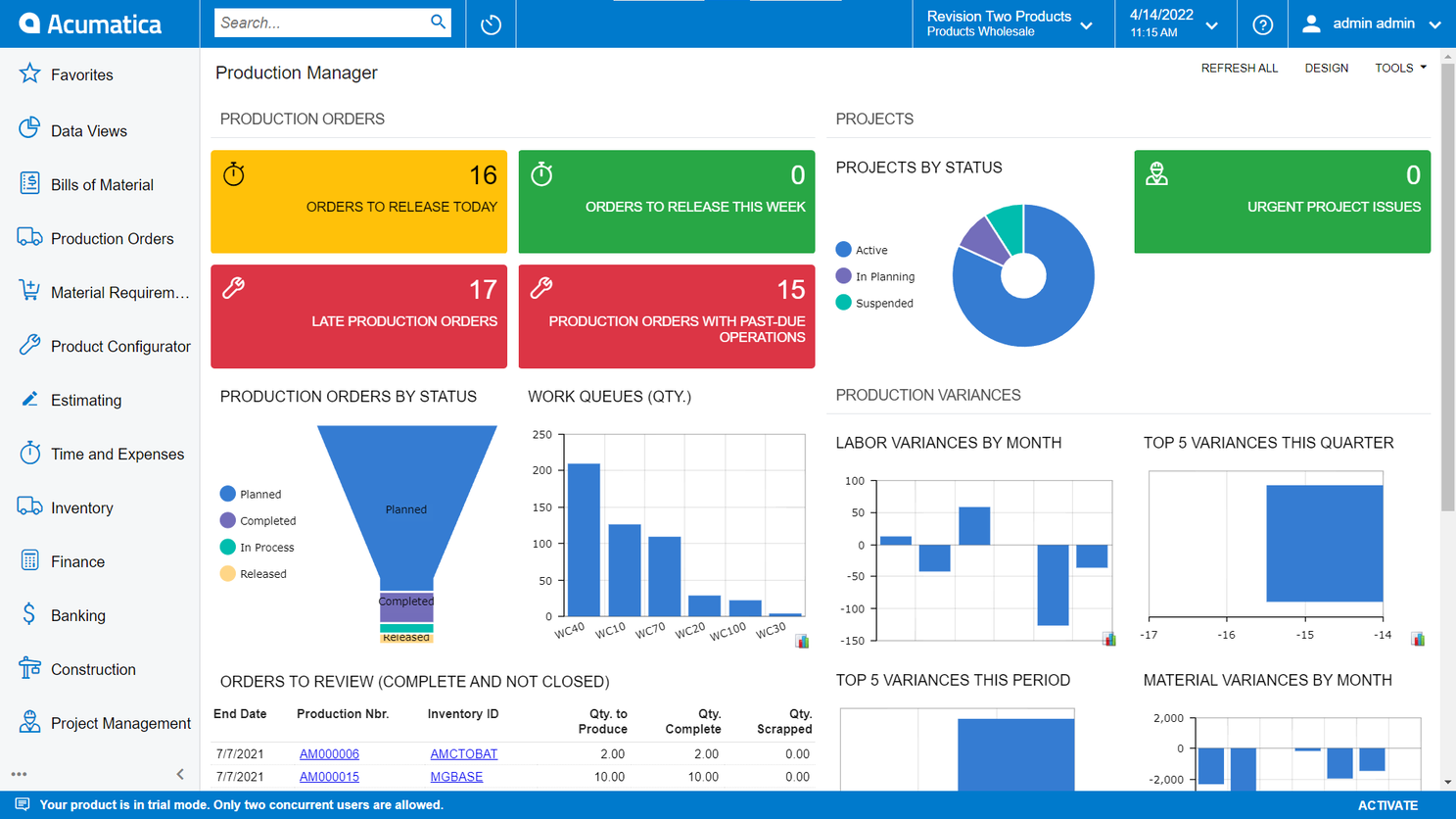
Another important aspect of customization is the ability to tailor reporting and analytics capabilities to suit the specific needs of your organization. While most ERP systems come with pre-built reports and dashboards, customizing these features allows you to generate more meaningful insights and analytics that are relevant to your business operations. This can help you make informed decisions, identify trends, and track key performance indicators more effectively.
Furthermore, customization can extend to the integration of additional modules or functionalities that are specific to your industry or business requirements. Whether it’s adding modules for inventory management, customer relationship management, or e-commerce capabilities, customizing your ERP software allows you to expand the capabilities of the system to meet your evolving needs.
Overall, customizing ERP software is essential for ensuring that the system aligns with your organization’s unique processes, workflows, and requirements. By tailoring the software to fit your specific needs, you can maximize the benefits of your ERP implementation and drive operational efficiency within your organization.
Key features to look for in ERP software
When it comes to choosing the right ERP software for your business, there are several key features that you should look out for. These features can make a significant difference in how efficiently your organization operates and manages its resources. Here are some essential features to consider:
1. Integration capabilities: One of the most critical aspects of ERP software is its ability to integrate seamlessly with other systems and applications. The software should be able to consolidate data from various departments and provide a centralized platform for managing all aspects of your business. Look for ERP software that offers robust integration capabilities with popular third-party applications and tools.
2. Customization options: Every business is unique, and your ERP software should be able to adapt to your specific requirements. Look for software that offers a high degree of customization, allowing you to tailor the system to meet your organization’s individual needs. This could include custom fields, workflows, and reporting capabilities that align with your business processes.
3. Scalability: As your business grows, your ERP software should be able to scale accordingly. Look for software that can accommodate your growing needs and volumes of data without compromising performance. Scalability ensures that your ERP system can support your business operations effectively, no matter how large your organization becomes.
4. Mobile access: In today’s fast-paced business environment, having access to real-time data on the go is essential. Look for ERP software that offers mobile access capabilities, allowing your employees to access critical information and perform tasks from anywhere, at any time. Mobile access can improve productivity, collaboration, and decision-making within your organization.
5. Security features: Protecting your sensitive business data is paramount. Look for ERP software that offers robust security features, such as user authentication, encryption, and role-based access control. This will help ensure that your data remains secure and protected from unauthorized access or cyber threats.
6. User-friendly interface: A user-friendly interface is crucial for ensuring that your employees can easily navigate and use the ERP software. Look for software that offers an intuitive interface with clear navigation and easy-to-use features. A user-friendly interface can improve user adoption and overall productivity within your organization.
7. Reporting and analytics capabilities: Data-driven decision-making is essential for business success. Look for ERP software that offers robust reporting and analytics capabilities, allowing you to gain valuable insights from your data. The software should provide customizable dashboards, advanced reporting tools, and predictive analytics to help you make informed decisions and drive business growth.
By considering these key features when evaluating ERP software for your business, you can ensure that you choose a system that meets your organization’s specific needs and helps you achieve your business goals effectively.
Maximizing ROI with the right ERP software solution
Implementing an ERP software solution can greatly benefit a business by streamlining processes, improving efficiency, and providing valuable insights into operations. However, in order to truly maximize the return on investment (ROI) from an ERP system, it is important to select the right software solution that aligns with the specific needs and goals of the organization. Here are five key strategies to help businesses choose the right ERP software solution and achieve maximum ROI:
1. Conduct a thorough needs assessment: Before selecting an ERP software solution, it is crucial for businesses to conduct a thorough needs assessment to identify their specific requirements and objectives. This involves analyzing current processes, identifying pain points, and outlining key goals for the ERP system. By clearly defining what the business needs from an ERP solution, organizations can ensure that they select a software that meets their unique requirements and can deliver a positive ROI.
2. Consider scalability and flexibility: When choosing an ERP software solution, it is important to consider scalability and flexibility. A good ERP system should be able to grow and adapt with the business as it evolves. This means selecting a software that can easily accommodate changes in business processes, expansion into new markets, or increases in transaction volumes. By investing in a scalable and flexible ERP solution, businesses can future-proof their investment and ensure long-term ROI.
3. Evaluate integration capabilities: Another important factor to consider when selecting an ERP software solution is its integration capabilities. The ERP system should be able to seamlessly integrate with existing systems, such as CRM software, accounting software, and e-commerce platforms. This ensures that data can flow freely between different systems, eliminating the need for manual data entry and reducing the risk of errors. Choosing an ERP solution with strong integration capabilities can help businesses streamline processes, improve efficiency, and ultimately enhance ROI.
4. Focus on user experience and training: In order to maximize ROI from an ERP software solution, it is essential to focus on user experience and provide adequate training for employees. A user-friendly interface and intuitive design can help increase adoption rates and encourage employees to fully utilize the capabilities of the ERP system. Additionally, providing thorough training and ongoing support can help employees feel confident using the software and maximize their productivity. By investing in user experience and training, businesses can ensure that their ERP system is effectively utilized, leading to greater ROI.
5. Leverage data analytics and reporting capabilities: One of the key advantages of an ERP software solution is its ability to provide valuable insights through data analytics and reporting capabilities. By leveraging these features, businesses can gain a deeper understanding of their operations, identify trends and patterns, and make data-driven decisions. This can lead to improved efficiency, better resource allocation, and ultimately, increased ROI. It is essential for businesses to choose an ERP software solution that offers robust data analytics and reporting capabilities, and to actively use these tools to drive business performance.
In conclusion, selecting the right ERP software solution is crucial for maximizing ROI. By following these key strategies and choosing a software that aligns with the specific needs and goals of the organization, businesses can ensure that their investment in an ERP system delivers significant returns in terms of efficiency, productivity, and profitability.