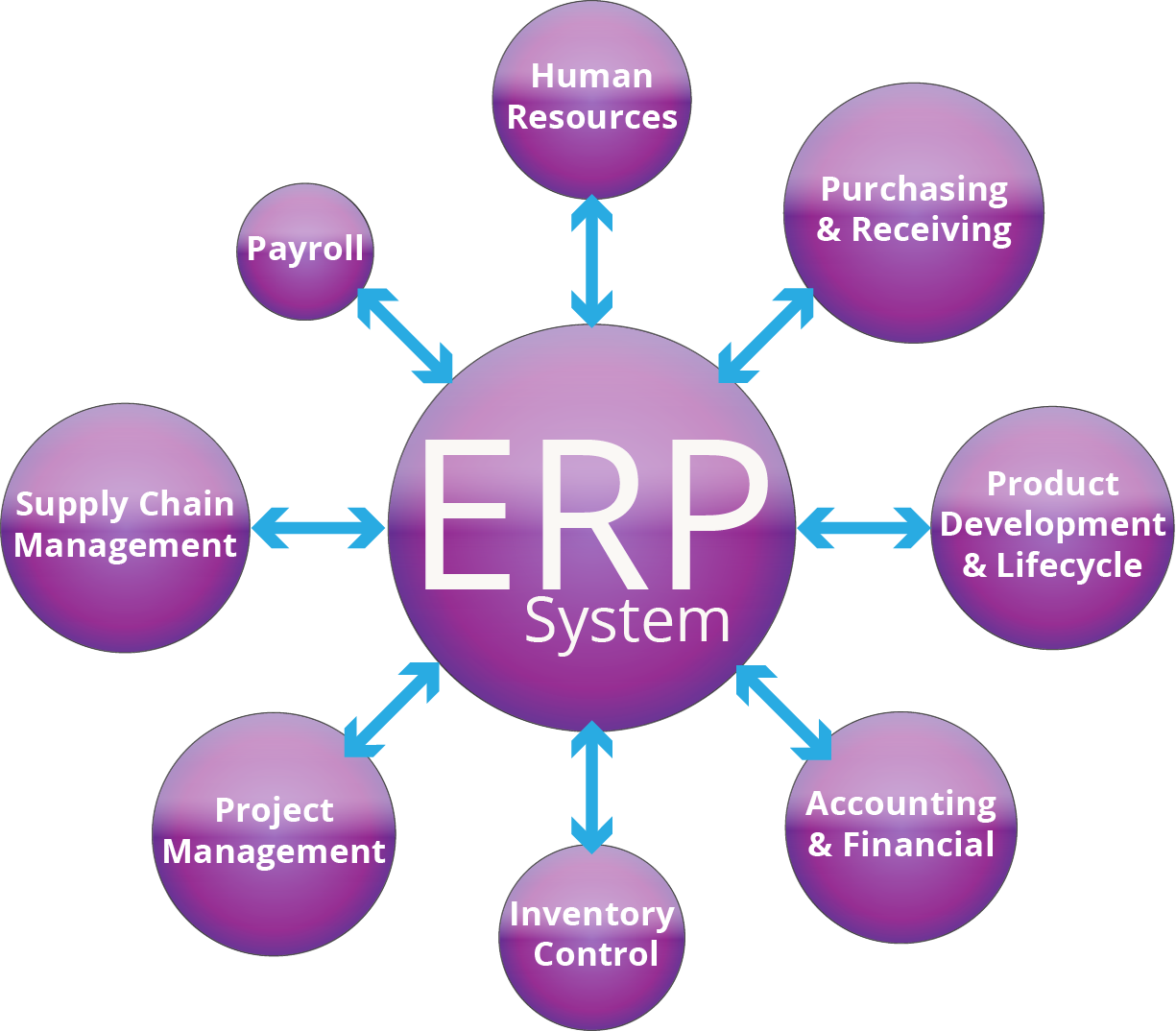
Welcome, readers! In today’s fast-paced business environment, it’s essential for companies to streamline their operations and improve efficiency. This is where Enterprise Resource Planning (ERP) systems come into play. ERP systems offer a wide range of benefits for businesses, from enhancing communication between departments to automating repetitive tasks. By implementing an ERP system, companies can better manage their resources, increase productivity, and make more informed decisions. Let’s explore the numerous advantages that ERP systems can bring to your business!
Evolution of ERP Systems
ERP, which stands for Enterprise Resource Planning, is a type of software that organizations use to manage their business activities and automate back-office functions related to technology, services, and human resources. Over the years, ERP systems have evolved significantly to meet the changing needs of businesses in an increasingly digital world.
The early days of ERP systems can be traced back to the 1960s and 1970s when MRP (Material Requirements Planning) systems were first introduced. These early systems focused on production planning and scheduling, helping manufacturers optimize their operations. However, MRP systems had limitations in terms of integrating other functions of the business beyond production.
As the need for more comprehensive business management solutions grew, ERP systems emerged in the 1990s. These systems expanded beyond the scope of MRP to include modules for finance, human resources, supply chain management, and more. The goal was to provide a centralized database that could streamline processes and improve communication across departments.
Initially, ERP systems were expensive and complex, making them inaccessible to small and medium-sized businesses. However, as technology advanced and competition increased, ERP vendors began developing more scalable and user-friendly solutions. Cloud-based ERP systems, in particular, have revolutionized the market by offering affordable subscription-based services that can be accessed from anywhere with an internet connection.
Recent advancements in ERP systems have focused on enhancing functionality and usability. Features such as artificial intelligence, machine learning, and predictive analytics are being integrated into ERP software to help businesses make more informed decisions and automate routine tasks. Mobile capabilities have also become standard, allowing employees to access critical data and perform tasks on the go.
Looking ahead, the future of ERP systems is likely to be shaped by emerging technologies such as blockchain, Internet of Things (IoT), and virtual reality. These innovations have the potential to further streamline processes, improve data security, and provide new opportunities for business growth. As businesses continue to adapt to a rapidly changing digital landscape, ERP systems will play a crucial role in driving efficiency and innovation.
Benefits of Implementing an ERP System
Implementing an Enterprise Resource Planning (ERP) system can bring numerous benefits to a business. From streamlining processes to improving efficiency, there are many advantages to be gained from having a system in place that integrates various functions of a company. Below are some of the key benefits of implementing an ERP system:
1. Improved Efficiency: One of the main benefits of an ERP system is the improvement in overall efficiency within the organization. By consolidating all business processes and functions into a single system, employees can access real-time information and data, allowing for faster decision-making and streamlined processes. This eliminates the need to manually enter data into multiple systems, reducing errors and saving time.
2. Enhanced Data Management: With an ERP system, businesses can benefit from improved data management capabilities. The system allows for the centralization of data, making it easier to access and analyze information across different departments. This centralized approach to data management reduces the risk of data duplication and inconsistencies, ensuring that all data is accurate and up-to-date. Additionally, an ERP system can provide businesses with analytics tools to help them make data-driven decisions and improve overall performance.
3. Better Customer Service: Implementing an ERP system can lead to better customer service and satisfaction. With access to real-time data and customer information, employees can respond to customer inquiries more efficiently and effectively. This can help businesses provide personalized experiences to customers, leading to increased loyalty and retention.
4. Cost Savings: Another benefit of implementing an ERP system is the potential for cost savings. By streamlining processes and improving efficiency, businesses can reduce operational costs and eliminate redundant tasks. The system can also help identify areas for cost-cutting and optimization, leading to long-term savings for the organization.
5. Regulatory Compliance: Compliance with regulations and standards is crucial for businesses, especially in highly regulated industries. An ERP system can help ensure that businesses meet regulatory requirements by providing audit trails, documentation, and reporting capabilities. This can help businesses avoid penalties and fines, as well as build trust with customers and stakeholders.
Overall, implementing an ERP system can bring a wide range of benefits to a business, from improved efficiency and data management to cost savings and regulatory compliance. By investing in an ERP system, businesses can gain a competitive edge and position themselves for long-term success in today’s fast-paced business environment.
Key Features of ERP Software
ERP software comes equipped with a variety of features that are designed to streamline business processes and improve efficiency. Some of the key features of ERP software include:
1. Integration: One of the main features of ERP software is its ability to integrate various business processes into a single platform. This allows for seamless communication between different departments and eliminates the need for manual data entry, ultimately improving accuracy and efficiency.
2. Centralized Database: Another important feature of ERP software is a centralized database that stores all relevant information in one place. This allows for easy access to data and ensures that all departments are working with the most up-to-date information.
3. Customization: One of the great benefits of ERP software is its ability to be tailored to meet the specific needs of a business. This can include customizing workflows, reports, and dashboards to align with the unique requirements of the organization. Customization allows businesses to optimize their processes and maximize productivity.
4. Scalability: ERP software is designed to grow with your business. As your organization expands, the software can easily scale to accommodate additional users, transactions, and data volume. This scalability ensures that your ERP system can adapt to changing business needs without the need for a complete system overhaul.
5. Automation: ERP software is equipped with automation features that help to minimize manual tasks and streamline processes. This can include automated data entry, approval workflows, and notifications, saving time and reducing the risk of human error.
6. Reporting and Analytics: ERP software offers robust reporting and analytics tools that provide insights into business performance. Users can generate customized reports, track key performance indicators, and analyze data to make informed business decisions.
7. Mobile Accessibility: Many ERP software solutions now offer mobile applications, allowing users to access the system from anywhere at any time. This mobile accessibility ensures that employees can stay connected and productive, even when they are away from the office.
In conclusion, ERP software offers a wide range of features that can help businesses improve efficiency, streamline processes, and make informed decisions. From integration and customization to scalability and automation, ERP software is a valuable tool for any organization looking to optimize its business operations.
ERP Implementation Best Practices
Implementing an Enterprise Resource Planning (ERP) system can be a challenging task for any organization. ERP systems are complex and involve multiple departments and processes. To ensure a successful ERP implementation, it is important to follow best practices that have been proven to increase the likelihood of a smooth transition.
1. Proper Planning and Preparation:
One of the key factors in a successful ERP implementation is proper planning and preparation. This includes defining clear goals and objectives for the project, identifying key stakeholders, establishing a project team, and creating a detailed implementation plan. By investing time and effort into the planning phase, organizations can set themselves up for a successful ERP implementation.
2. Effective Change Management:
Implementing a new ERP system often requires changes in business processes and workflows. To ensure a smooth transition, organizations should focus on effective change management. This includes communicating with employees about the reasons for the change, providing training and support, and addressing any concerns or resistance to the new system. By involving employees in the process and keeping them informed, organizations can increase buy-in and reduce resistance to change.
3. Data Migration and Quality:
One of the crucial aspects of ERP implementation is data migration. Organizations need to ensure that data from existing systems is accurately migrated to the new ERP system. This includes cleaning up data, eliminating duplicates, and ensuring data quality. By investing time and resources into data migration, organizations can prevent issues with data integrity and ensure that the new system operates effectively.
4. Continuous Monitoring and Evaluation:
After the ERP system has been implemented, it is important for organizations to continuously monitor and evaluate its performance. This includes tracking key performance indicators (KPIs), gathering feedback from users, and identifying areas for improvement. By regularly evaluating the ERP system, organizations can identify issues early on and make necessary adjustments to ensure that the system meets their needs.
5. Vendor Collaboration:
Collaborating with ERP vendors is essential for a successful implementation. Organizations should work closely with their vendor to ensure that the system is configured according to their specific needs and requirements. Vendors can provide valuable insights and support throughout the implementation process, helping organizations to customize the system and address any challenges that may arise.
In conclusion, ERP implementation is a complex process that requires careful planning, effective change management, and continuous monitoring. By following best practices and working closely with vendors, organizations can increase the likelihood of a successful ERP implementation and realize the full benefits of their new system.
Challenges of ERP System Adoption
Implementing an ERP system can bring about significant benefits to a company, such as streamlined processes, improved decision-making, and increased efficiency. However, the adoption of an ERP system is not without its challenges. Below are five common challenges that organizations may face when implementing an ERP system:
1. Resistance to Change
One of the most significant challenges in adopting an ERP system is resistance to change from employees. Many employees may be comfortable with the current systems and processes in place, and may be reluctant to embrace a new system. To overcome this challenge, it is essential for organizations to involve employees early in the implementation process, provide adequate training and support, and communicate the benefits of the ERP system clearly.
2. Data Migration
Another challenge organizations may face when adopting an ERP system is data migration. Transferring data from existing systems to the new ERP system can be a complex and time-consuming process. It is crucial for organizations to clean and verify data before migration to ensure accuracy and consistency in the new system. Additionally, organizations should have a robust data migration plan in place to minimize downtime and disruptions during the migration process.
3. Cost and Budget Constraints
Implementing an ERP system can be a significant investment for organizations, and cost and budget constraints can pose a challenge. Organizations must carefully assess their budget constraints and allocate resources effectively to ensure a successful ERP implementation. It is essential for organizations to prioritize functionalities and features based on their business needs and budget limitations to maximize the return on investment in the ERP system.
4. Integration with Existing Systems
Integrating an ERP system with existing systems and applications can be a complex and challenging task. Organizations may face compatibility issues, data synchronization issues, and other integration challenges when connecting the ERP system with legacy systems. To address this challenge, organizations should conduct a thorough assessment of existing systems and develop a comprehensive integration strategy to ensure seamless connectivity and data flow between systems.
5. User Training and Adoption
One of the key challenges in ERP system adoption is ensuring user training and adoption. Employees need to be adequately trained on the new ERP system to maximize its benefits and functionality. Organizations should invest in comprehensive training programs, workshops, and support sessions to empower employees to effectively use the ERP system. Additionally, organizations should encourage user adoption by creating user-friendly interfaces, providing ongoing support, and incentivizing employees to embrace the new system.
Originally posted 2025-12-05 19:42:00.