Welcome, dear reader, to the world of Enterprise Resource Planning (ERP) programs! If you are considering implementing an ERP program for your business but are unsure of the benefits, you have come to the right place. ERP systems offer a wide range of advantages, from streamlining operations and boosting productivity to improving decision-making and data accuracy. So sit back, relax, and let us guide you through the many benefits of embracing an ERP program for your organization.
What is ERP software?
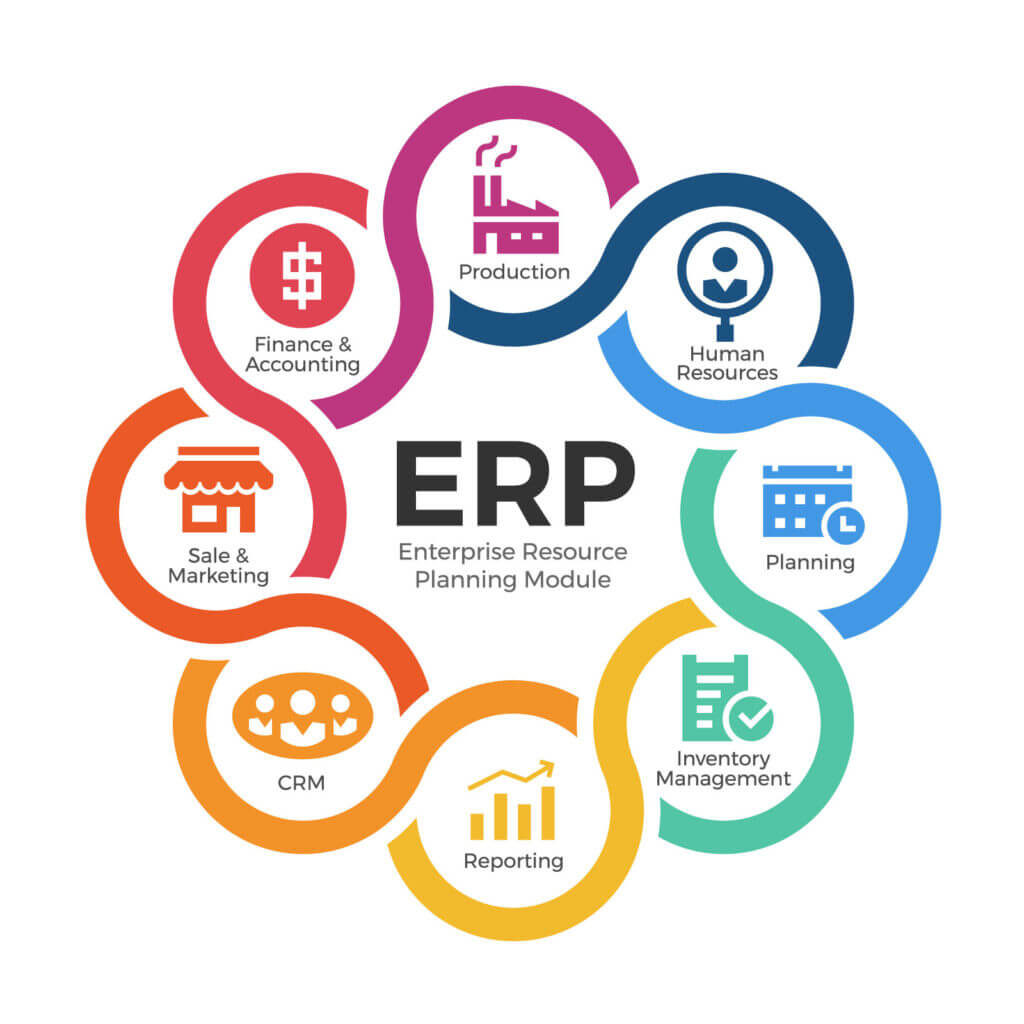
ERP software stands for Enterprise Resource Planning software. It is a type of software that integrates a company’s core business processes, such as finance, human resources, supply chain, manufacturing, sales, and marketing, into a single system. This system can streamline processes, increase efficiency, and improve overall business performance.
ERP software helps businesses manage and automate their day-to-day operations, making it easier to track inventory, manage orders, monitor financials, and streamline communication between departments. By consolidating all this information into one system, businesses can make data-driven decisions and improve their overall productivity.
One of the key features of ERP software is its ability to provide real-time data and insights into the business. This means that managers and decision-makers can access up-to-date information on the company’s performance, allowing them to make more informed decisions quickly. This real-time visibility can help identify trends, spot potential issues, and take proactive measures to address them.
Another important aspect of ERP software is its scalability. As businesses grow and evolve, their software needs to be able to grow with them. ERP systems are designed to be scalable, meaning that they can adapt to the changing needs of a business without requiring a complete overhaul of the system. This makes ERP software a long-term investment that can support a company’s growth and expansion.
ERP software also offers a high level of customization. Businesses can tailor the software to meet their specific needs and requirements, whether that be creating custom reports, integrating with other applications, or adding new features. This customization ensures that the software aligns with the unique processes and workflows of the business, maximizing its effectiveness.
Overall, ERP software is a powerful tool that can help businesses streamline their operations, increase efficiency, and improve their overall performance. By integrating core business processes into a single system, businesses can make better decisions, adapt to changes more easily, and ultimately achieve their goals more effectively.
Key features of ERP programs
1. Integrated System: One of the key features of ERP programs is their ability to integrate various business functions and departments into a single system. This integration ensures that data flows seamlessly between different departments, leading to better communication, improved decision-making, and increased efficiency. With an integrated system, organizations can eliminate duplicate data entry, reduce errors, and streamline processes.
2. Real-time Data: ERP programs provide real-time access to data, allowing decision-makers to have up-to-date information at their fingertips. This real-time visibility enables organizations to quickly respond to changing market conditions, customer demands, and internal challenges. By having access to timely data, companies can make informed decisions, identify trends, and act proactively to address issues before they become major problems.
3. Customization: Another important feature of ERP programs is their ability to be tailored to meet the specific needs of each organization. Whether it’s modifying workflows, developing custom reports, or adding new modules, ERP systems can be customized to align with the unique processes and requirements of a business. This customization not only enhances user experience but also ensures that the ERP solution can grow and evolve alongside the organization.
4. Scalability: ERP programs are designed to scale with the growth of a business. As companies expand and evolve, their ERP system can easily accommodate increased users, transactions, and data volumes. This scalability ensures that the ERP solution remains effective and efficient, regardless of the size or complexity of the organization. With a scalable ERP system, businesses can adapt to changing needs and seize new opportunities without being held back by technology limitations.
5. Automation: Automation is a key feature of ERP programs that helps organizations reduce manual processes, improve productivity, and drive operational efficiency. By automating routine tasks, such as data entry, approvals, and notifications, ERP systems enable employees to focus on more strategic activities that add value to the business. This automation not only saves time and resources but also minimizes errors and ensures consistency in operations.
6. Mobile Accessibility: In today’s fast-paced business environment, the ability to access ERP data on the go is essential. Many ERP programs now offer mobile applications that allow users to view reports, enter data, and make decisions from their smartphones or tablets. This mobile accessibility ensures that decision-makers can stay connected and informed, even when they are away from the office. By providing real-time access to critical information, mobile ERP solutions empower employees to make timely decisions and take action anytime, anywhere.
Benefits of implementing an ERP system
Implementing an ERP system can bring numerous benefits to a business, regardless of its size or industry. From streamlining processes to improving efficiency, here are some of the key advantages of integrating an ERP system into your organization.
1. Increased efficiency: One of the main benefits of implementing an ERP system is the increased efficiency it brings to the organization. By automating repetitive tasks, such as data entry and reporting, an ERP system allows employees to focus on more strategic activities. This not only saves time but also reduces the risk of human error, ultimately leading to a more efficient and productive workforce.
2. Streamlined processes: Another advantage of deploying an ERP system is the ability to streamline and standardize business processes. With all departments accessing the same real-time information, silos are broken down, and communication and collaboration are improved. As a result, decision-making becomes more informed, and the overall operations of the organization are more coordinated and cohesive.
3. Improved data accuracy and decision-making: One of the significant benefits of implementing an ERP system is the improved accuracy of data and the ability to make more informed decisions. With all data stored in a central database, there is less chance of errors or inconsistencies compared to using multiple disconnected systems. This ensures that the information accessed by employees is accurate and up-to-date, leading to better decision-making at all levels of the organization.
Furthermore, an ERP system provides powerful reporting and analytics capabilities, allowing managers to quickly generate reports and analyze data to identify trends, opportunities, and potential issues. By having access to this information in real-time, decision-makers can make more strategic and proactive decisions that drive the business forward.
Overall, the improved data accuracy and decision-making capabilities of an ERP system can have a significant impact on the success of an organization. By providing a solid foundation of reliable data and analytical tools, ERP systems empower businesses to make smarter choices and stay ahead of the competition.
Choosing the right ERP solution for your business
Choosing the right ERP solution for your business is a crucial decision that can have a significant impact on your operations and bottom line. With so many options available in the market, it can be overwhelming to make the right choice. Here are some key factors to consider when selecting an ERP solution for your business:
1. Business Needs: The first step in choosing the right ERP solution is to assess your business needs. Identify the specific challenges and pain points that you want the ERP system to address. Consider the size of your business, the industry you operate in, and the unique requirements of your operations.
2. Scalability: As your business grows, your ERP system should be able to scale with it. Make sure the ERP solution you choose can accommodate the growth of your business without requiring a complete overhaul or expensive upgrades. Look for a solution that offers flexibility and customization options to meet your changing needs.
3. Integration: An ERP solution is meant to streamline and automate your business processes. To maximize its effectiveness, it should be able to integrate seamlessly with other systems and applications you use. Consider how well the ERP solution can connect with your existing software and hardware infrastructure to avoid compatibility issues and data silos.
4. User-Friendly Interface: A user-friendly interface is essential for the successful adoption of an ERP system. Look for an ERP solution that is intuitive and easy to use, with a clean layout and navigation. Training your employees on a complicated and cumbersome system can lead to resistance and lower productivity. Make sure the ERP solution you choose has a user-friendly interface that will encourage adoption and usage across your organization.
5. Cost: The cost of an ERP solution is an important consideration for any business. Evaluate the total cost of ownership, including initial implementation, licensing fees, maintenance, and support. Consider the return on investment (ROI) you can expect from the ERP system in terms of increased efficiency, productivity, and profitability. Compare quotes from different vendors and consider both short-term and long-term costs before making a decision.
6. Vendor Reputation: Choose a reputable and reliable ERP vendor with a track record of successful implementations and satisfied customers. Research the vendor’s reputation, customer reviews, and case studies to get an idea of their reliability and support services. A good vendor will provide ongoing support, training, and updates to ensure the smooth operation of your ERP system.
By considering these key factors, you can make an informed decision and choose the right ERP solution for your business. A well-chosen ERP system can streamline your operations, improve efficiency, and drive growth and success for your business.
Best practices for successful ERP implementation
Implementing an ERP system can be a complex and challenging process, but following best practices can help ensure a successful implementation. Here are five key best practices to keep in mind:
1. Executive sponsorship: One of the most important factors in the success of an ERP implementation is strong leadership from top management. Executive sponsorship is crucial for driving the project forward, securing necessary resources, and overcoming any obstacles that may arise. Without the support of key decision-makers, the project is unlikely to succeed.
2. Clearly defined goals and objectives: Before embarking on an ERP implementation, it is essential to have a clear understanding of what the organization hopes to achieve. Setting specific goals and objectives will help guide the implementation process and ensure that everyone is working towards the same end result. This will also help prevent scope creep and keep the project on track.
3. Thorough planning and preparation: Proper planning is key to a successful ERP implementation. This includes defining project scope, creating a detailed project plan, and allocating resources effectively. It is important to involve key stakeholders in the planning process to ensure that all perspectives are taken into account and potential risks are identified early on. Adequate preparation will help minimize disruptions to business operations and reduce the likelihood of costly delays.
4. Strong project management: Effective project management is essential for keeping an ERP implementation on track and within budget. A dedicated project manager should be appointed to oversee the implementation and ensure that all tasks are completed according to schedule. Regular progress updates and communication with stakeholders are also crucial for maintaining momentum and addressing any issues promptly.
5. Robust training and support: One of the most common reasons for ERP implementation failures is a lack of adequate training and support for end users. To ensure a smooth transition to the new system, it is important to provide comprehensive training to all employees who will be using the ERP system. This should include hands-on training, as well as ongoing support and resources to help users troubleshoot any issues that may arise. By investing in training and support, organizations can maximize the benefits of their ERP system and minimize the risk of resistance to change.
Originally posted 2025-12-04 21:07:21.